Campervan Rental Guide
A campervan is one of the best ways to see New Zealand. You set the route, stop where you like and travel at your own pace, with no timetables to keep. This guide covers each stage of the trip, from choosing a van to handing back the keys.
DriveNow compares campervans and motorhomes from rental companies across New Zealand. The company you book with supplies the vehicle, and its rental terms apply to your hire. If you can't find what you need here, contact our team.
Need help during your trip?
- If anyone is injured, call 111.
- Breakdown or a fault with the vehicle? Call your rental company's roadside assistance number. You'll find it in your rental documents.
- Running late for pick-up or drop-off? Call the branch as soon as you know. Branches close at set times, and a late return can attract extra charges.
How Campervan Hire Works
If you haven't hired a campervan before, these are the main steps:
- Search and compare. Enter your dates and your pick-up and drop-off locations. You can compare vehicles, inclusions and prices from different companies side by side.
- Choose your vehicle. Pick a van that suits your group, your budget and where you plan to sleep. Types of Campervans below explains the main options.
- Book. Complete your booking online. Each company sets its own deposit and cancellation terms, so check them in your quote. Decide on excess reduction at this stage.
- Collect. Pick up the van from the company's branch. Staff will take you through the rental agreement and show you how the van works. Bring your driver's licence and a credit card for the bond.
- Travel. Stay at holiday parks, Department of Conservation campsites or, in a certified self-contained vehicle, at council freedom camping areas.
- Return. Drop the van off at the agreed branch and time, in the condition you received it, to avoid extra charges.
Comparing campervans on DriveNow
Our New Zealand campervan search lets you compare options for your route and dates. Keeping the same pick-up and return locations and dates makes the prices easier to compare.
On a wider screen, Grid groups vehicles across rental companies, while List shows individual vans. Filters such as sleeping capacity and transmission help narrow the results. The vehicle details show the beds, facilities and dimensions. Our campervan types guide explains the main layouts.
The quoted total helps you compare costs beyond the daily rate, including the extras you need and any charges payable at collection. The NZ hire-cost guidance explains what to budget for. Driver rules, payment schedules and cancellation conditions can differ between vans with similar prices. Pet permission and child-seat fit need checking for the rental company and exact van too.
Before You Book
Choose the right van, check that every driver meets the company's age and licence rules, and plan your route around the seasons and the ferry.
Driver age. The minimum age is between 18 and 21 at most companies. Some set a higher age for larger motorhomes, so a company that takes 18-year-olds in a campervan may want drivers of 21 or more for a motorhome. Check the age rules for every driver before you book.
Licence. You need a full, current car licence. If it isn't in English, carry an accurate English translation or an International Driving Permit with it. Some companies set extra conditions, such as how long you've held the licence.
Automatic or manual. Most campervans in New Zealand are automatic. Some models are manual, including several from Wendekreisen, Kiwi, Escape and Freedom. Check the transmission in the vehicle details if you only drive automatics.
Travelling with children
Before choosing a van for your family, confirm that the exact model can take the child seats you need. Our New Zealand campervan child-seat guide covers vehicle fit, restraint rules, hiring seats and bringing your own.
Travelling with pets
Some rental companies accept pet dogs or cats, with conditions for the animal and van. Check permission and fees before booking. Our NZ campervan pet guide covers rental options, campsite access and separate assistance-animal arrangements.
Types of Campervans
The words campervan, motorhome and RV are often used for the same thing. These are the main types you'll see when you compare vans for New Zealand. Features vary between companies and models, so treat these as a guide and check the vehicle details before you book.
Sleeper vans and compact campers
The smallest and usually cheapest option. These are converted people movers, around 4.6 to 4.9 metres long, so they drive and park much like a large car. Most run on petrol. Expect a bed for two, a small kitchen and limited storage. Many have no toilet, so you'll rely on campsite facilities. Examples include the JUCY Crib, Spaceships Beta, Happy Trail and Lucky Rodeo. Versions with a fixed toilet, such as the Spaceships Sigma and the Tui Sleepervans Deluxe Sleepervan, are worth a look if you want to freedom camp.
Hitop campervans
A high-roof van of around 6 to 6.7 metres with a double bed, a kitchen and room to stand up inside. There's no shower. Hitops suit couples who are happy to use holiday park bathrooms and want a van that's easy to drive. Examples include the Britz HiTop, Apollo HiTop, Mighty Highball and Mighty Lite HiLITE.
2–3 berth motorhomes with shower and toilet
At around 7 metres, these have a bathroom with a shower and toilet, a full kitchen and a comfortable bed for two. Some fit a third person. The bathroom gives you more freedom on longer trips. Examples include the Maui Ultima, Britz Venturer, Apollo Euro Tourer and Mighty Deuce.
4-berth motorhomes
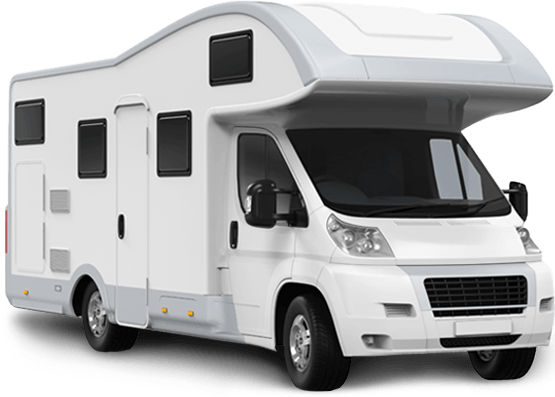
Built for families or two couples, with two beds, a full kitchen and a bathroom. They're around 6.7 to 7.6 metres long, so allow more room on narrow and winding roads. Examples include the Maui Cascade, Britz Wanderer, Apollo Euro Quest, Mighty Fortune and Star RV Polaris 4 Berth.
6-berth motorhomes
The largest vans, sleeping up to six across three beds, with the most living space and a bathroom. At around 7.1 to 7.9 metres, they take more confidence to drive and park. Examples include the Maui River, Apollo Euro Deluxe, Mighty Big Six and JUCY Big Kahuna.
When to Book
Summer (December to February) is peak season. The Christmas and January school holidays are the busiest weeks, and popular vans and ferry sailings can book out well ahead.
Autumn (March to May) and spring (September to November) are the shoulder seasons. You'll usually find better availability and often lower rates, with milder weather in most regions.
Winter (June to August) is the quietest time for campervans in most of the country, though Queenstown is busy with the ski season. Expect cold nights, and snow and ice on alpine passes. Ask your rental company about snow chains before you travel.
If your dates are fixed or you want a particular vehicle, start looking as soon as you know your route.
What Does Campervan Hire Cost?
The daily rate depends on the vehicle, the company, the season and the length of your trip. Larger vans with a bathroom cost more than a sleeper van or hitop. Rates rise in summer and over school holidays, and longer hires often get a better daily rate. Some companies set a minimum hire period at busy times or on one-way trips.
Found a lower advertised price for the same rental company, vehicle, pick-up and drop-off locations and dates? Our campervan price guarantee explains which advertised offers qualify and how to ask our team about one.
Usually included: most companies include unlimited kilometres, bedding and basic kitchen equipment. Not all do, so check the inclusions in your quote.
On top of the daily rate, budget for:
- fuel, campsite fees and food
- excess reduction, if you choose it
- optional extras such as an outdoor table and chairs or child seats
- the ferry, if you're crossing between the islands
- one-way fees, where they apply
- location fees at some branches, such as Queenstown
- road user charges on diesel vans
Road user charges
Road user charges, often called RUC or diesel tax in rental terms, help pay for New Zealand's roads. For diesel campervans, the charge is based on the kilometres you drive.
Petrol vehicles contribute through a tax included in the pump price. The Ministry of Transport explains the two systems.
How you pay depends on the rental company and the rate you book. A company may collect a recovery fee on return based on the kilometres driven, offer a prepaid option, or include RUC in the hire price. Unlimited kilometres alone doesn't mean RUC is included.
If your quote lists a fee per 100km, divide your planned kilometres by 100 and multiply by that fee to budget for it. Your rental terms explain the rate for your van and when you pay. If you're unsure whether it's included, ask our team before booking.
Insurance, excess and bonds
The excess is the amount you may have to pay for covered damage. The bond is a separate security deposit required by the rental company. Damage excluded from the cover can cost more than the excess.
Optional cover can reduce the excess, the bond or both. When comparing cover options, look at the daily cost, the bond, the remaining excess and what isn't covered. A zero bond or excess doesn't mean all damage is covered.
Before booking, check which payment cards the rental company accepts for any bond and how much available credit or funds you'll need at collection. The rental terms explain how the bond is handled and which costs can be deducted.
One-way campervan hire
On a one-way hire, you collect a campervan in one city and return it to an agreed branch in another. The route needs to be available for your dates and chosen van, even if the rental company has branches in both cities.
One-way fees and minimum hire periods depend on the rental company, route and travel dates. Some routes have no one-way fee, while others cost extra. Compare the total quote and required number of hire days before booking flights around the trip.
If you're collecting and returning on different islands, check your rental company's ferry conditions before booking a sailing. Our Cook Strait crossing guidance explains the vehicle and passenger booking checks.
After booking, contact our team before changing the return branch. A different return location needs the rental company's approval and can mean extra charges.
Picking Up Your Campervan
Allow time for collection. Staff will go through the rental agreement and walk you around the van to show you how the gas, water, power and toilet work. Arrive well before the branch closes, and don't plan a long drive straight after a long-haul flight.
Bring:
- a driver's licence for every driver, plus a translation or International Driving Permit if needed
- a credit card in the main driver's name for the bond
- your booking confirmation
During Your Trip
Where to stay overnight
You can choose holiday parks, DOC campsites or freedom camping where it's allowed. Where a site requires a certified self-contained vehicle, you need a current green warrant. Certification doesn't give you permission to camp anywhere. Our guide to camping in New Zealand covers campsite bookings, certification, local restrictions and waste facilities.
Crossing between the islands
Interislander and Bluebridge carry campervans across Cook Strait between Wellington and Picton. Check your rental company's ferry conditions before you book a sailing. If you're collecting and returning on different islands, check the one-way arrangements and fees in your quote too.
Your ferry booking needs to include your van and everyone travelling with you. The ferry company needs the full vehicle length, including a bike rack or other equipment that extends it, so there's enough space on board.
If you're unsure of the dimensions, ask your rental company. Interislander's vehicle-measuring guide explains what to include.
Book ahead for summer, when vehicle spaces can fill quickly. Follow the check-in time on your ferry confirmation and allow time to drive to the terminal.
Pack what you need for the crossing in a small bag. You won't be able to return to your van during the sailing.
On the road
New Zealand drives on the left, and winding roads can make journeys take longer than the distance suggests. Our guide to driving a campervan in New Zealand covers motorhome speed limits, licence checks, road permissions and planning for winter conditions.
What's in the van
Vans come equipped for the trip, though the exact kit varies by company and vehicle. You can usually expect:
- Kitchen: plates and bowls, cups and glasses, cutlery, a bottle and can opener, cooking utensils, pots and a frying pan, a kettle and tea towels.
- Living: toilet chemicals where the van has a toilet, a dustpan and brush, a fire extinguisher, a bucket and hose, coat hangers and a vehicle guide.
- Bedding: pillows, sheets, duvets or sleeping bags and bath towels, where bedding is included.
Optional extras vary between companies and are usually charged per hire. They include outdoor tables and chairs, child seats, heaters and GPS units.
Tips for the road
- Pack in soft bags. They're much easier to store than hard suitcases.
- Bring a torch and spare batteries.
- Microwaves and some heaters only work when you're plugged in to mains power at a powered site.
- Unplug the power cable before you drive off a powered site.
- Stock up on food and supplies before heading into remote areas, where shops are few.
- Fill the fresh water tank and empty the waste tanks before long stretches between towns.
- Some companies let you prepay for gas or fuel.
Returning Your Campervan
Return the van to the agreed branch on time. Check your rental agreement for the return time and what condition the van should be in, such as the fuel level and whether the toilet and waste water tanks need to be emptied. The company will inspect the van and calculate any outstanding charges, including RUC where it is payable on return. Your rental agreement sets out the bond release process.
Popular Pick-Up Locations
- Auckland is New Zealand's main international arrival point. It's a good start for Northland, the Coromandel and a trip south through the North Island.
- Christchurch is the South Island's main international airport, with Kaikōura, Arthur's Pass and the Southern Alps within a few hours' drive.
- Queenstown puts you close to Fiordland and Central Otago. Several companies charge a location fee to pick up or drop off here.
- Wellington is the North Island ferry terminal, so it works well for one-way trips or as a stop between the islands.
New Zealand Campervan Rental Companies
You can compare vehicles from these New Zealand campervan and motorhome rental companies on DriveNow. Each company page describes its fleet, and many link to a side-by-side fleet comparison.
- Apollo
- Britz
- Campervan Village
- Discover NZ
- Escape Rentals
- Freedom Campervans
- Happy Campers
- JUCY
- Kiwi Campers
- Lucky
- Maui
- Maui Elite
- Mighty
- Mighty Lite
- Pacific Horizon
- Road Runner Rentals
- Spaceships
- Star RV
- Travellers Autobarn
- Tui Campers
- Tui Sleepervans
- Wendekreisen
More Help
Other questions?
To talk through your options or get help with a booking, contact our team.