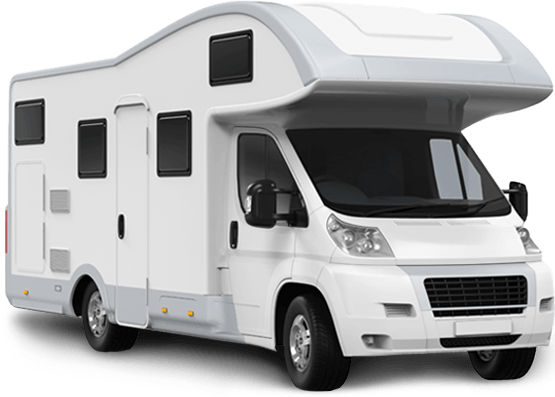
Driving a campervan in New Zealand
Winding roads and a larger vehicle can make a short distance a full day's outing. This guide helps you plan time on the road and know what to check before you collect your van.
Your licence and rental conditions
Before booking, confirm that the rental company accepts every driver's age, licence and driving experience for the exact campervan you're considering. The licence class and any weight restrictions need to match the vehicle too.
Carry your current driver's licence. If it isn't in English, you also need an English translation from a source NZTA accepts, or an International Driving Permit. An IDP must be carried with the original licence, not used on its own.
For a long stay, the date you last arrived matters. The overseas car-licence time limit is up to 12 months for arrivals from 1 November 2026. Transitional rules allow up to 18 months for arrivals between 1 November 2024 and 31 October 2026. Your licence must remain valid and other eligibility conditions apply. NZTA's visiting-driver guidance explains the requirements for your circumstances.
Allow time for the road, not just the distance
New Zealand's winding roads can make driving take longer than expected. A route that looks short on a map still needs room for breaks and stops along the way.
DriveSafe recommends driving for only one to two hours at a time, with regular breaks. After a long flight, a night in your arrival city gives you time to rest before starting the road trip.
NZTA's Journey Planner shows state-highway closures, roadworks and delays. Local council information covers local roads. Journey times are a starting point for planning, with extra time needed for breaks, collection and getting used to the van.
Road rules and motorhome speed limits
You must drive on the left. At one-lane bridges, follow the signs showing which direction must give way. If traffic builds up behind your campervan, pull over somewhere safe to let it pass.
The posted speed limit is a maximum, not a speed to aim for in rain, wind or on bends. A lower limit can also apply to the vehicle itself. Motorhomes with a gross vehicle mass over 3,500kg have a maximum speed of 90km/h, including on roads signed at 100 or 110km/h. Lower posted limits still apply.
Gross vehicle mass is the vehicle's maximum permitted loaded weight, not just what it happens to weigh that day. At collection, ask the rental company to confirm your van's weight category and speed limit. The Road User Rule defines the weight category and its speed limit.
Getting used to the campervan
The collection handover is a useful time to ask about the van's height, width and length, including anything fitted to the roof or rear. Those measurements matter at car-park entrances, under low branches and when manoeuvring into a campsite.
A few minutes to adjust the mirrors and find the controls will help you get comfortable. The handover is also a chance to ask how to secure cupboards and loose items, and how much space the van needs when turning or reversing.
Everyone needs a suitable travel seat with a seat belt or child restraint. Beds are for use when parked. For a family trip, our NZ campervan child-seat guide explains the restraint rules and what to confirm about the exact model.
Which roads can you use?
A road being open doesn't mean your rental agreement allows you to drive on it. Before booking a route, ask the rental company about any unsealed access roads, ski-field roads or other restricted areas you plan to use.
Permission for a main road doesn't answer whether a side road to a campsite is allowed. Give the company the actual road and destination, and confirm any required permission before travelling. Your booking's rental conditions are the place to check what applies to your van.
Winter roads and changing weather
Snow and ice can change your plans. Before each day's drive, the road-condition updates and MetService forecast help you decide whether to leave, wait or choose another route.
If your trip includes winter or alpine driving, ask the rental company whether your route is allowed and whether you need snow chains. Confirm which chains suit the van and how to fit them before leaving the branch. Carrying chains doesn't override a road closure or rental restriction.
DriveSafe's winter-driving advice covers longer stopping distances on slippery roads and avoiding sudden braking or turning.
Help during your trip
For a vehicle fault or breakdown, use the rental company's assistance number in your rental documents. Call 111 if you need Police, Fire or Ambulance in an emergency.
Part of the New Zealand campervan handbook.
Other questions?
Not sure which campervan suits the trip you have in mind? Contact our team to talk through the options.